Flooding and Beyond The Essential Role of Dehumidifiers in Construction Sites
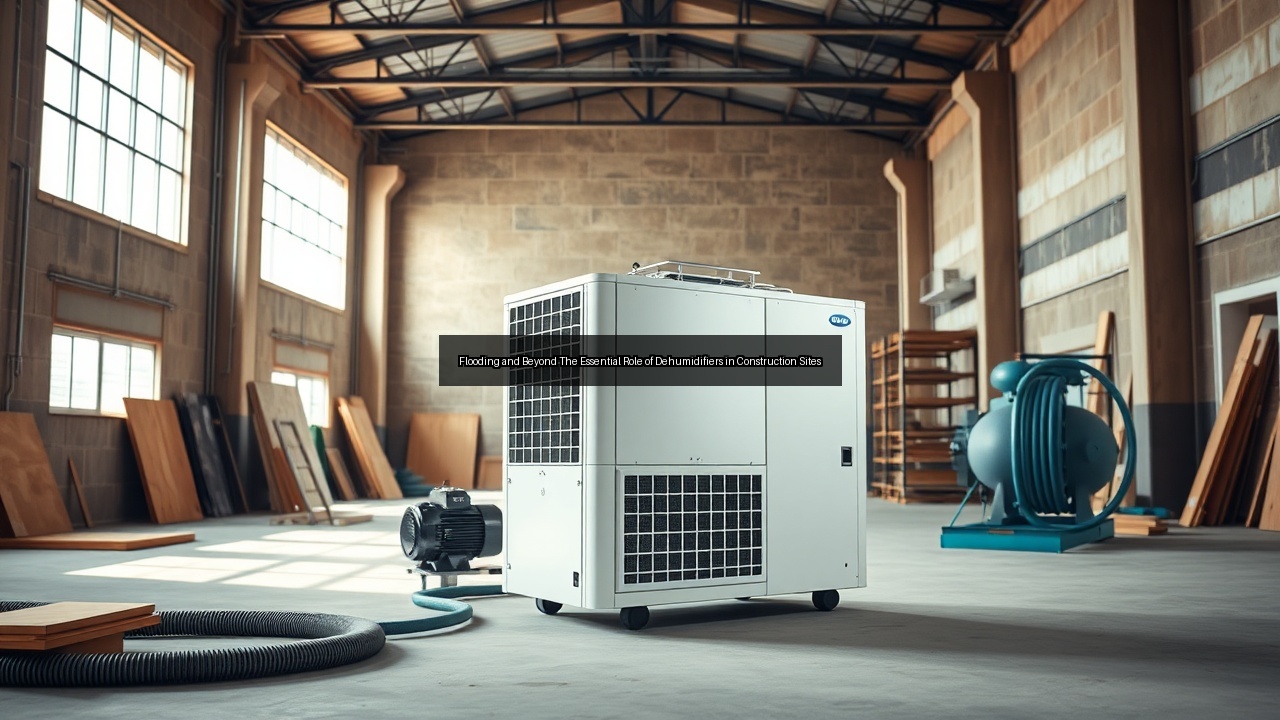
Understanding Flooding and Its Impact on Construction Sites
The Causes of Flooding in Construction Areas
Heavy rainfall, poor drainage, and nearby river overflows often trigger flooding on construction sites. Excavated foundations and disturbed soil create low points that collect water quickly. Construction crews must address these issues fast to prevent delays. A commercial dehumidifier becomes essential once water enters the space because residual moisture lingers in concrete and wood. Sites near warehouses or low-lying areas face higher risks during storms. Proper grading and temporary barriers reduce entry points, yet sudden downpours still overwhelm protections. Workers track weather forecasts closely and stage pumps ahead of time. Flooding disrupts schedules and raises costs when crews cannot proceed with framing or electrical work until surfaces dry.
Consequences of Excess Moisture on Building Materials
Excess moisture warps lumber, corrodes metal, and promotes mold growth inside new structures. Wet drywall crumbles under weight, while insulation loses its R-value when saturated. These problems compound when humidity remains high, forcing repeated material replacements. A commercial dehumidifier unit pulls pints of water daily from the air to protect investments. Construction teams lose weeks when mold appears because remediation requires extra labor and permits. Heat accelerates drying only when paired with proper dehumidification, otherwise surfaces stay damp. Delays ripple through subcontractors and suppliers. Protecting materials preserves structural integrity and keeps projects on budget.
The Importance of Timely Water Removal
Fast water removal stops small floods from becoming major setbacks. Crews deploy pumps and hoses immediately after water enters the site. Standing water seeps into subfloors and footings, extending drying times dramatically. A commercial dehumidifier then follows to extract hidden moisture from the air and surfaces. Delays in this sequence allow mold colonies to form within 48 hours. Timely action keeps temperature and humidity control stable so subsequent trades can continue. Sites that prioritize rapid extraction finish ahead of competitors who let moisture linger. Effective drying protects both schedule and reputation.
The Essential Role of Dehumidifiers in Construction
How Commercial Dehumidifiers Work
Commercial dehumidifiers draw moist air across cooled coils where water vapor condenses into a collection pan or drain. The process removes pints of moisture per day while returning drier air to the space. Fans push air flow measured in CFM across the coils for maximum efficiency. Construction crews position units strategically near wet zones to accelerate drying. Refrigerant cycles maintain consistent performance even in warm conditions common on job sites. This dehumidification prevents humidity from re-saturating materials after initial pumping. Operators monitor levels to adjust settings and avoid over-drying that could crack wood. The technology integrates well with existing HVAC systems for whole-site control.
Types of Commercial Dehumidifiers
Refrigerant-based models handle most construction needs by cooling air to extract moisture. Desiccant units excel in cooler or low-temperature environments where standard coils struggle. Portable commercial dehumidifier units roll between rooms, while larger commercial dehumidifiers for commercial projects sit permanently in warehouses or large halls. Some include built-in pumps that send water through hoses to distant drains. Energy Star rated options reduce power draw during extended runs. Crews select based on space size, expected moisture load, and available power. Each type supports different phases of construction from foundation work to final finishing.
Benefits of Using Dehumidifiers on Construction Sites
Dehumidifiers speed drying so crews meet tight deadlines without compromising quality. They lower humidity to inhibit mold and protect finishes like paint and flooring. Workers enjoy safer air quality when moisture no longer breeds allergens. A commercial dehumidifier also reduces corrosion on tools and embedded metal. Projects that maintain proper humidity control experience fewer callbacks after handover. Energy Star models cut operating costs on long jobs. Overall, these units turn unpredictable weather into manageable variables by controlling the environment actively.
Key Features of Commercial Dehumidifiers
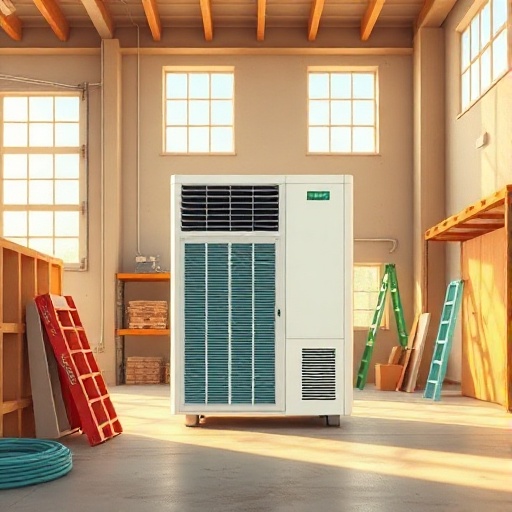
Pint Capacity and Its Importance
Pint capacity indicates how many pints of water a commercial dehumidifier removes daily under standard conditions. Higher ratings suit larger spaces or severe flooding events on construction sites. Crews calculate needs based on square footage and initial moisture readings. Undersized units run continuously without finishing the job. Oversized models cycle on and off, wasting energy. Matching capacity to the space ensures efficient dehumidification and steady progress. Manufacturers list performance at different temperatures so operators choose correctly for seasonal conditions.
Air Flow and CFM Ratings
Air flow measured in CFM determines how quickly a commercial dehumidifier circulates air through the space. Higher CFM moves more volume, reaching corners and hidden cavities faster. Construction sites with open floor plans need strong airflow to prevent pockets of humidity. Units with adjustable fans adapt to changing layouts as walls rise. Proper CFM ratings pair with pint capacity for balanced performance. Operators position units to create directed air patterns that speed overall drying without stirring dust excessively.
Energy Efficiency: Energy Star Ratings
Energy Star ratings confirm that commercial dehumidifiers meet strict efficiency standards set by the EPA. These models consume less electricity while delivering the same moisture removal. Long-running units on construction sites save significant power costs over weeks or months. Efficient operation also reduces heat output, easing the load on HVAC systems. Crews track energy use alongside drying progress to optimize placement and runtime. Choosing rated equipment supports both budget and sustainability goals.
Sound Pressure Levels and Their Impact on Work Environment
Sound pressure level ratings tell crews how noisy a commercial dehumidifier will be during operation. Lower decibel units allow conversations and focused work near active drying zones. High-output models may require placement in separate rooms or after hours. Construction teams balance sound with performance needs when multiple trades occupy the same space. Quieter operation improves safety by letting workers hear warnings and equipment alerts clearly. Manufacturers publish these levels so planners schedule accordingly.
Integrating Dehumidifiers with HVAC Systems
Optimizing Humidity Control and Temperature
Pairing commercial dehumidifiers with HVAC systems creates stable humidity control and temperature across the site. HVAC handles sensible heat while dehumidifiers target latent moisture. This division prevents overcooling that can cause condensation on surfaces. Operators set coordinated setpoints so both systems work in tandem rather than against each other. Consistent conditions speed drying of concrete slabs and wood framing alike. The approach keeps indoor environments comfortable for crews even during peak summer heat.
The Synergy Between Dehumidifiers and HVAC
Dehumidifiers and HVAC systems together maintain balanced air quality on construction projects. HVAC circulates and filters air while the commercial dehumidifier removes excess moisture that would otherwise overload cooling coils. This synergy reduces strain on equipment and extends service life. Sites with integrated controls adjust automatically when humidity spikes after rainfall. The combination prevents musty odors and supports faster turnover between construction phases. Proper coordination avoids short cycling and wasted energy.
Maintaining Air Quality During Construction
Construction generates dust and volatile compounds that mix with high humidity to create poor air quality. Commercial dehumidifiers lower moisture so particles settle faster and filters capture them more effectively. HVAC systems then deliver cleaner air to occupied zones. Regular monitoring ensures mold spores do not spread through ducts. Workers stay healthier when humidity stays below 60 percent. This integrated strategy protects both the building and the people inside it.
Best Practices for Using Dehumidifiers on Site

Selecting the Right Dehumidifier Unit
Choosing the correct commercial dehumidifier unit starts with measuring the space and estimating moisture load. Crews consider pint capacity, CFM, and power availability before renting or purchasing. Sites with flooding history may need multiple units or higher tonnage models. Energy Star options reduce long-term costs. Matching the machine to expected conditions prevents underperformance or excessive runtime. Vendors often provide load calculations to guide decisions accurately.
Setting Up: Pumps, Hoses, and Placement
Proper setup places the commercial dehumidifier on level ground near the wettest areas. Crews attach hoses to built-in pumps so water drains continuously without manual emptying. Routing hoses to exterior collection points avoids tripping hazards. Strategic placement creates even air flow patterns that reach all surfaces. Units should sit away from walls to allow full intake. Regular checks confirm pumps operate and hoses remain clear throughout the drying cycle.
Monitoring Moisture Levels for Effective Drying
Daily moisture readings with meters guide adjustments to commercial dehumidifier settings. Crews track humidity, temperature, and surface conditions to confirm progress. When levels stabilize, operators reposition units or reduce runtime. This data-driven approach prevents over-drying that damages materials. Logs help document drying for insurance and warranty purposes. Consistent monitoring ensures every section of the construction site reaches target dryness before finishing work begins.